
Cinematography & Look DevelopmentJULY 1, 2026BY YANUME
Engineering the Euphoria Aesthetic: High-End Cinematic Lighting on an Indie Budget
Learn how Yanume Effects engineered a premium, high-contrast studio look for an indie film using just two 100w Godox lights, a Canon R6, and DaVinci Resolve 21.
The Visual Architecture of Tension: Achieving a High-End Studio Look on an Indie Set
When approaching the look development for an upcoming narrative short with Earth Dreams Entertainment, the objective was strictly defined: engineer an environment that feels dense, intimate, and emotionally volatile.
Stepping into the roles of Director of Photography, Gaffer, Colorist, and Editor allowed for a completely unified visual pipeline. Every decision from the initial lighting ratios on set to the final color nodes was built to serve one purpose: bypassing the analytical brain to make the audience feel the tension.
Here is a technical and psychological breakdown of the visual architecture behind these frames, proving that a premium, cinematic aesthetic relies on a disciplined mind’s eye, not an inflated budget.
1. Motivated Lighting with a Minimal Footprint
True cinematic tension is built in the shadows.
The lighting strategy was anchored entirely by the practical environment. To achieve this high-contrast, moody aesthetic, the setup was ruthlessly minimal: just two 100w Godox lights.
The Key Light: Pushed through a softbox, one light was positioned to wrap the natural daylight spilling from the practical windows. If light does not feel organically motivated by the architecture of the room, the subconscious brain instantly flags the scene as artificial.
The Negative Fill: The second light was used exclusively to control the contrast ratio. By carving out the shadows and allowing the light to drop off sharply on the unlit side of the face, we created a structural density that mimics high-end studio lighting.
3. The Color Science of Emotion
Color grading does not start in post-production; it begins with strict art direction on set. The aesthetic target for this project drew heavy inspiration from the visceral, saturated look development of Euphoria.
Graded natively in DaVinci Resolve 21, the color pipeline was engineered to separate the human element from the environment:
Isolating Skin Tones: No matter how heavily stylized the environment becomes, the skin tones must remain rich, luminous, and authentic. This preserves the audience's subconscious trust in the characters.
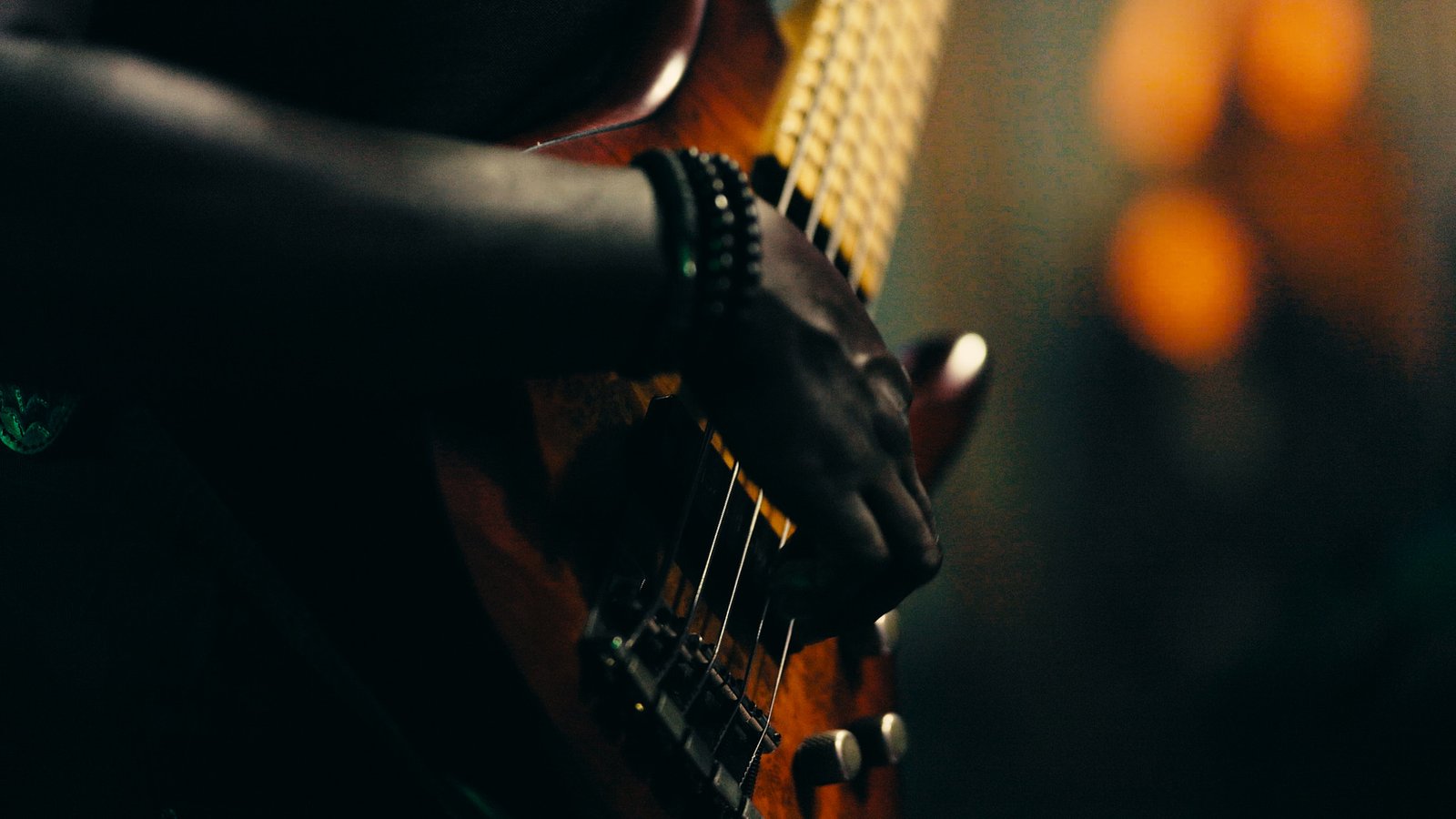
Pushing the Environment: Notice the color shift between the emotional states in the stills. In the moments of quiet observation, the grade leans into warmer, earthy tones driven by the window light.
The Bottom Line
Equipment is passive; it only captures the light you give it. The real work of a visual architect is controlling how that light shapes human behavior. You do not need a massive grip truck to create a massive look. When you understand spatial psychology, motivated lighting, and precise color science, you stop recording scenes and start engineering desire.
CinematographyColor GradingDaVinci Resolve 21Canon R6Euphoria AestheticGodox LightingIndie FilmmakingLook DevelopmentYanume EffectsVisual Architecture